
Hit enter to search or ESC to close
Close Search
Buffalo Niagara WaterkeeperBuffalo Niagara WaterkeeperBuffalo Niagara WaterkeeperBuffalo Niagara WaterkeeperBuffalo Niagara WaterkeeperBuffalo Niagara Waterkeeper
search
Menu
  • Our Watershed
  • Our Impact
    • Advocacy
      • A Great Lakes State
      • Climate & Coastal Resiliency
      • Make Your Impact
      • Leverage Funding for Community Impact
      • Reduce Waterway Contamination
    • Restoration & Protection
      • 18 Mile Creek
      • Buffalo Creek Floodplain Reconnection
      • Buffalo River
      • Cayuga Creek
      • Cradle Beach
      • Fish Barrier Assessment
      • Gill Creek Conceptual Green Infrastructure Project
      • Headwaters
        • Eighteenmile Creek
        • Source Water Protection
      • Little Beaver Island
      • Living Shorelines
        • Ellicott Creek
        • Ellicott Island Bark Park
        • Hyde Park
        • North Tonawanda: Erie Canal Riparian Enhancements
        • North Tonawanda Botanical Garden
        • Sandy Beach
        • Spicer Creek
        • Stella Niagara
        • Tifft Nature Preserve
        • West Seneca Oxbow
      • Scajaquada Creek
    • Planning & Development
      • Blue Economy Development
      • Buffalo & Niagara River Habitat Assessment
      • Coastal Resiliency Study
      • Freedom Park
      • Gill Creek
      • Gill Creek Conceptual Restoration Plan
      • Healthy Watershed Plans
      • Niagara River Habitat Conservation Strategy
      • Outer Harbor
      • Watershed 101
    • Educational Resources
    • Water Quality
  • Buffalo Blueway
  • Your Impact
    • Ambassadors
    • Cleanups
    • Corporate Partnerships
    • Report Pollution
    • RestoreCorps
    • Riverwatch Citizen Science
    • Safety
    • Stanley P. Spisiak Legacy Society
    • Support
    • Volunteer
  • About
    • Our Story
    • Staff & Directors
    • Financials
    • Careers
    • Internships
    • Contact Us
  • News & Programs
    • News & Updates
    • Grant Program
    • Education Programs
      • School Programs
      • Adult Education Programs
      • Young Environmental Leaders Program (YELP)
      • Custom Programs
    • Tours
    • Event Calendar
    • In The News
    • Spring Sweep
  • Donate
  • search
EDUCATIONLOCAL DEVELOPMENT

Documents Pertaining to the Buffalo River Watershed

By Dan StoutNo Comments
Buffalo Niagara Waterkeeper. A Wildlife Survey of the Lower Buffalo River Area of Concern, Buffalo, Erie County, New York. 2013.
Buffalo Niagara Riverkeeper. 2013. Habitat Action Plan.
Buffalo Niagara Riverkeeper. 2014. Buffalo River Area of Concern: A Monitoring Plan for the Delisting of “Impaired” Beneficial Use Impairments.
Buffalo Niagara Waterkeeper. Riverwatch Report on Buffalo River RAP coordinated Bacteriological Sampling, Summer 2014.
Buffalo Niagara Waterkeeper. Buffalo River Bacteriological Sampling Data from 2011 – 2013
Former Buffalo Color Corporation Site – Area D – Site Management Plan (MALTEL, 2015).
Record Drawings – Remediation Construction – Buffalo Color Area D Site, Buffalo NY
CH2MHILL. 2012. Appendix H Sediment Remediation and Habitat Restoration Buffalo River Area of Concern. Buffalo, New York. Prepared for EPA.
CH2MHILL. 2012. Appendix C Acute Toxicity and Bioaccumulation Assessment of Buffalo River Sediment. Buffalo, New York. Prepared for EPA.
CH2MHILL. 2012. Data Summary Report Buffalo River AOC Baseline Remedial Assessment Study. Buffalo, New York. Prepared for EPA Region 10
Diggins, T.P. and Snyder, R.J. 2003. Three Decades of Change in the Benthic Macroinvertebrate Community and Water Quality in the Buffalo River Area of Concern, 1964-1993. Journal of Great Lakes Research 29(4): 652-663.
Diggins, T.P. and Stewart, K.M. 1993. Deformities of Aquatic Larval Midges (Chironomidae: Diptera) in the Sediments of the Buffalo River, New York. Journal of Great Lakes Research 19(4): 648-659.
Ecology & Environment. 2011. Interim Buffalo River Area of Concern (AOC) Strategic Plan for Beneficial Use Impairment (BUI) Delisting. USACE Contract #W912P4-10-D-0002.
Environ, MacTec, and LimnoTech. 2011. Feasibility Study for the Buffalo River, New York.
Ecology & Environment. 2011. Buffalo River Ecological Restoration Management Plan (ERMP).
Environ, MacTec, and LimnoTech. 2009. Sediment Remedial Investigation Report for the Buffalo River, New York
Friends of the Buffalo River. 1996. Buffalo River Greenway Plan and Design Guidelines.
Great Lakes Laboratory. 1979. A Survey of the Crustacean Zooplankton of the Buffalo River. Great Lakes Laboratory Special Report 20. *
Great Lakes Restoration Initiative Action Plan.
Hickey, J.T. 1984. 1984 Fish Tumor Survey in the Niagara River System. Pilot Study Report. United States Fish and Wildlife Service. *
Irvine, K.N. 2007. Assessment of Trophic Status and Phytoplankton Population Characteristics in the Buffalo River AOC.
Irvine, K.N. et al. 2003. Contaminated Sediment in the Buffalo River Area of Concern – Historical Trends and Current Conditions.
Irvine, K.N., Perrelli, M.F., McCorkhill, G., and Caruso, J. 2005. Sampling and Modeling Approaches to Assess Water Quality Impacts of Combined Sewer Overflows – The Importance of a Watershed Perspective. Journal of Great Lakes Research, 31:105-115.
Irvine, K.N., Snyder, R.J., Diggins, T.P., Sinn, B., Chuey, C.F., Jedlicka, J., and Barrett O’Neill, J. 2005. Assessment of Potential Aquatic Habitat Restoration Sites in the Buffalo River Area of Concern.
Irvine, K.N., Stein, G.P., and Singer, J.K. 1990. An Environmental Guidebook to the Buffalo River. *
Kozuchowski, E.S., Poole, E.A., and Lowie, C.E. 1994. The Fishes of the Buffalo River , Buffalo, New York: Report on the results of the 1993 larval and adult fish survey, and summary of two years of data. Lower Great Lakes Fishery Resources Office, US Fish and Wildlife Service. *
Kozuchowski, E., Poole, E.A., and Lowie, C. 1993. Buffalo River Fisheries Assessment. Report on the results of the 1992 larval and adult fish survey. U.S. Fish and Wildlife Service.
Kozuchowski, E. 1989. A Survey of Benthic Macroinvertebrates of the Buffalo River and a Comparison to Past Surveys and a Different Method of Collection.
Jaffe, R. and Hites, R.A. 1986. Anthropogenic, Polyhalogenated, Organic Compounds in Non-Migratory Fish from the Niagara River Area and Tributaries to Lake Ontario. Journal of Great Lakes Research, 12 (1): 63-71.
Makarewicz, J.C., Dilcher, R.C., Haynes, J.M., and Shump, K. 1982. Biological Survey: Buffalo River and Outer Harbor of Buffalo, N.Y. US Army Corps of Engineers. *
Mann-Klager, D.P. Hickey, J.T., Stilwell, D.A. 1993. Assessment of Potential Habitat Restoration Areas within the Buffalo River Area of Concern, Buffalo, New York. U.S. Fish and Wildlife Service. *
Meredith, D.D. and Rumer, R. R. 1987. Sediment Dynamics in the Buffalo River. Department of Civil Engineering; SUNY Buffalo.
Natural Resources Defense Council, Inc. 1982. Control of Toxic Industrial Discharges in the Niagara River Basin. *
New York State Department of Environmental Conservation. 1993. Fish and Wildlife Habitat Inventory and Assessment of the Lower Buffalo River Watershed. *
Singer, J., Irvine, K.N., Snyder, R., Shero, B., Manley, P., and McLaren, P. 1994. Fish and Wildlife Habitat Assessment of the Buffalo River Area of Concern and Watershed.
Skinner, et al. 2009. Data Report for Residues of Organic Chemicals and Four Metals in Edible tissues and Whole Fish for Fish Taken from the Buffalo River, New York.
Sweeney, R.A. 1970. Survey of Benthic Macroinvertebrates and Analysis of Water and Sediment from the Buffalo River, 1969.
Sweeney, R.A. 1971. Survey of Benthic Macroinvertebrates and Analysis of Water and Sediment from the Buffalo River, 1970.
US Army Corps of Engineers, Buffalo District. 2010. Finding of no significant impact and environmental assessment: Buffalo Harbor dredging, Great Lakes Restoration Initiative, Erie County Buffalo NY.
U.S. Army Corps of Engineers – Buffalo District. 1988. Buffalo River Sedimentation Study: Buffalo and West Seneca, New York.
USEPA and NYSDEC. 2005. Reductions of Toxics Loading to the Niagara River from Hazardous Waste Sites in the United States.
USEPA. 1993. Assessment and Remediation of Contaminated Sediments (ARCS) Program; Biological and Chemical Assessment of Contaminated Great Lakes Sediment.
USEPA. March 1985. Preliminary Evaluation of Chemical Migration to Groundwater and the Niagara River from Selected Waste – Disposal Sites. EPA-905/4-85-001

Remedial Action Plans and Status Reports

Buffalo River Area of Concern — Tainting of Fish and Wildlife Flavor BUI Removal Project

View

Removal Recommendation — BUI Degradation of Aesthetics

View

Buffalo River Remedial Action Plan

View

Buffalo River Stewardship Series — History of Stewardship 2020

View

Buffalo River AOC Status Reports

Buffalo River RAP Annual Report – 1990 (prepared by New York State DEC)

Buffalo River RAP Annual Report – 1991 (prepared by New York State DEC)

Buffalo River RAP Annual Report – 1992 (prepared by New York State DEC)

Buffalo River RAP Annual Report – 1993 (prepared by New York State DEC)

Buffalo River RAP Status Report – 1995 (prepared by New York State DEC)

Buffalo River RAP Status Report – 1999 (prepared by New York State DEC)

Buffalo River RAP Status Report – 2002 (prepared by New York State DEC)

Buffalo River Status Report – 2005 (prepared by Buffalo Niagara Waterkeeper)

Buffalo River Status Report – 2008 (prepared by Buffalo Niagara Waterkeeper)

Buffalo River Report Card (prepared by Buffalo Niagara Waterkeeper)
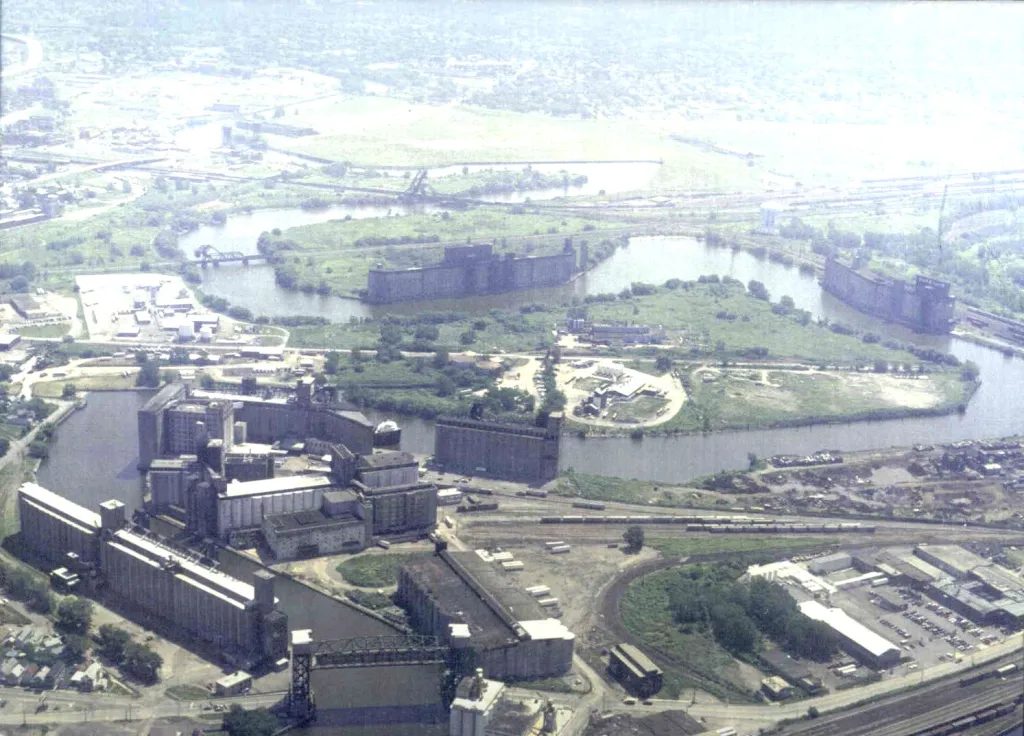
Buffalo River Ecological Restoration Master Plan

Final ERMP- Cover, TOC, and Executive Summary

Final ERMP Section 1-3

Final ERMP Section 4.1

Final ERMP Section 4.2- Restoration Projects Sites 1-13

Final ERMP Section 4.2- Restoration Projects Sites 14-26

Final ERMP Section 4.3- Prioritizing Restoration Projects

Final ERMP Section 5- Restoration Implementation

Final ERMP Section 6- Bibliography and Appendices

  • Previous PostPress Page

  • Next PostCayuga Creek Tour 2022 with YELP Students

Share
Share Share Share Pin

Buffalo Niagara Waterkeeper® is a proud member of the global Waterkeeper Alliance.

Privacy Policy

Sign Up For Our Newsletter!

© 2026 Buffalo Niagara Waterkeeper.

  • x-twitter
  • bluesky
  • facebook
  • linkedin
  • youtube
  • RSS
  • instagram
  • spotify
  • tiktok
  • phone
  • email
Close Menu
  • Our Watershed
  • Our Impact
    • Advocacy
      • A Great Lakes State
      • Climate & Coastal Resiliency
      • Make Your Impact
      • Leverage Funding for Community Impact
      • Reduce Waterway Contamination
    • Restoration & Protection
      • 18 Mile Creek
      • Buffalo Creek Floodplain Reconnection
      • Buffalo River
      • Cayuga Creek
      • Cradle Beach
      • Fish Barrier Assessment
      • Gill Creek Conceptual Green Infrastructure Project
      • Headwaters
        • Eighteenmile Creek
        • Source Water Protection
      • Little Beaver Island
      • Living Shorelines
        • Ellicott Creek
        • Ellicott Island Bark Park
        • Hyde Park
        • North Tonawanda: Erie Canal Riparian Enhancements
        • North Tonawanda Botanical Garden
        • Sandy Beach
        • Spicer Creek
        • Stella Niagara
        • Tifft Nature Preserve
        • West Seneca Oxbow
      • Scajaquada Creek
    • Planning & Development
      • Blue Economy Development
      • Buffalo & Niagara River Habitat Assessment
      • Coastal Resiliency Study
      • Freedom Park
      • Gill Creek
      • Gill Creek Conceptual Restoration Plan
      • Healthy Watershed Plans
      • Niagara River Habitat Conservation Strategy
      • Outer Harbor
      • Watershed 101
    • Educational Resources
    • Water Quality
  • Buffalo Blueway
  • Your Impact
    • Ambassadors
    • Cleanups
    • Corporate Partnerships
    • Report Pollution
    • RestoreCorps
    • Riverwatch Citizen Science
    • Safety
    • Stanley P. Spisiak Legacy Society
    • Support
    • Volunteer
  • About
    • Our Story
    • Staff & Directors
    • Financials
    • Careers
    • Internships
    • Contact Us
  • News & Programs
    • News & Updates
    • Grant Program
    • Education Programs
      • School Programs
      • Adult Education Programs
      • Young Environmental Leaders Program (YELP)
      • Custom Programs
    • Tours
    • Event Calendar
    • In The News
    • Spring Sweep
  • Donate